Drag
Select
Call Now

Talking to children about ICE, immigration, and global events
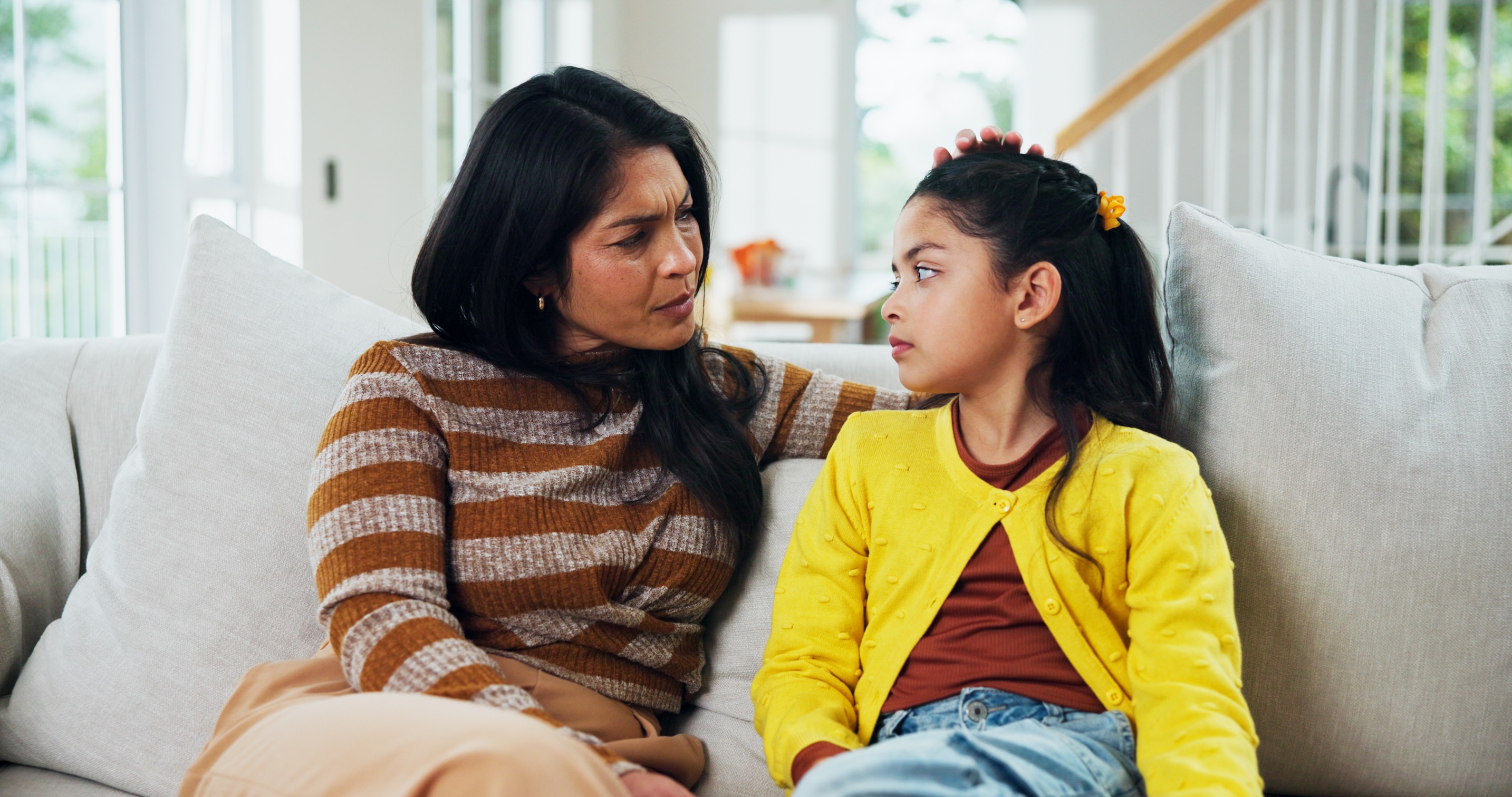
Every child deserves to grow up in a world that feels safe, yet thanks to an always-on newscycle, many of our kiddos are trying to make sense of frightening headlines surrounding ICE, immigration, and other charged current events. Now more than ever, our children need to know that they don’t have to process these worries alone.
While you can't always protect your child from difficult global issues, you can begin a dialogue at home to foster a sense of connection and trust. To help you navigate these emotionally heavy conversations, and empower you with the right things to say, Bend’s clinical experts are here with resources to support your family right now.
Opening up the dialogue
- Start with safety. Remind your child that they are safe and you are there to protect them. Explain that there are adults who care and are working hard to keep them and their friends safe. Try to offer extra hugs and comfort, allowing your child to be close to you if they feel insecure or worried.
- Be a curious listener. Put away any distractions and ask curious questions like, “What have you heard at school or in the news? What questions do you have?”
- It’s okay not to know. Remember that it’s okay to say, “I don’t know” or “let me think about that and get back to you” if you don’t know the answer to their questions right away. Just make sure you always circle back with them.
Share age-appropriate facts
- Be honest, but reassuring. Tell your child the truth about what is happening but do not provide too many scary details. Make sure the information you share with your child is age appropriate to their level of understanding.
- Tailor by age and maturity. For younger children (pre-K to early elementary): Keep it very simple focusing on the importance of being kind to others and treating them with respect and compassion. You can mention that sometimes you may see adults not acting kind, but they can always seek out a trusted grown-up if they hear or see something that is frightening. For school-Age children (6-10), acknowledge facts and feelings. Explain that some people are being stopped or questioned, and that many people are upset about it. For older kids and teens, invite discussion, encourage critical thinking, and help them process feelings of anger or injustice. Focus on what they can control, such as taking action, volunteering, or simply staying informed.
- Validate their feelings. Try your best to show up for your child by fully listening to what they have to say without interrupting or attempting to “fix” their more difficult emotions. It is okay to be sad, angry, or afraid. Normalize these reactions, but focus on building resilience. You can help them feel heard by saying something like, “I hear that you are feeling ____. I’m so glad that you shared this with me.” You can even take time and space to journal together, or you can encourage younger kids to draw out how they are feeling. Let them know they can always come to you when anything is on their mind.
- Keep the conversation going. Check in often and encourage your child to always come to you with any questions that they may have, and try to address their concerns in a calm, confident manner. It is okay if a child doesn't want to talk about their feelings. There is no one correct way to deal with difficult events and complex feelings. Every child processes information differently; some need more time and space to feel comfortable. Respect their boundaries and don't force a topic on them that they are not ready to discuss.
Establish a system of safety
- Identify coping strategies. Discuss ways your child can cope with their emotions and feelings of fear. Talk about who they can turn to when they’re feeling upset at school, at home, or anywhere else they may spend time.
- Limit news exposure. Seeing disturbing images of families being separated can be traumatic for a child. Try limiting news exposure and monitoring their social media usage as much as possible.
- Create a family safety plan. Parents should identify trusted guardians, document emergency contacts, and authorize someone to make medical/legal decisions if they are detained. It is also crucial to ensure that your child’s school acts as a safe haven, ensuring that they have policies in place that restrict immigration enforcement access and that they do not disclose immigration status.
Build resilience through action
- Connect to your values. This is an important time to connect over your shared family values. Talk about equity, kindness, and racial justice as a family.
- Advocate for those around you. Discuss positive age-appropriate steps you can take to be a respectful, loving member of your community, such as volunteering for a local cause that aligns with your values or checking in on neighbors. Being of service to others and connecting as a community can bring joy and purpose in an otherwise destabilizing time.
Global events can have a big impact on kids. They may experience increased anxiety, fear, and worry about their safety and the safety of their loved ones. Exposure to traumatic events can lead to symptoms of post-traumatic stress disorder (PTSD), including nightmares, flashbacks, and intrusive thoughts.
Be on the lookout for changes in behavior such as increased irritability, aggression, withdrawal, or clinginess and reach out for mental health support if you notice that your child is exhibiting any of these symptoms. Remember that the team at Bend is here to advocate for your family’s well-being, so contact us if you could use support.



%20copy.jpeg)